Composer James Horner returned to score The Search for Spock, fulfilling a promise he had made to Bennett on The Wrath of Khan. While Nimoy considered hiring his friend Leonard Rosenman for the score, he was persuaded that Horner’s return would grant continuity between The Wrath of Khan and the new film. Much like the content of the film, Horner’s music was a direct continuation of the score he wrote for the previous film. When writing music for The Wrath of Khan, Horner was aware he would reuse certain cues for an impending sequel; two major themes he reworked were for Genesis and Spock. While the Genesis theme supplants the title music Horner wrote for The Wrath of Khan, the end credits were quoted “almost verbatim”.
Official Releases
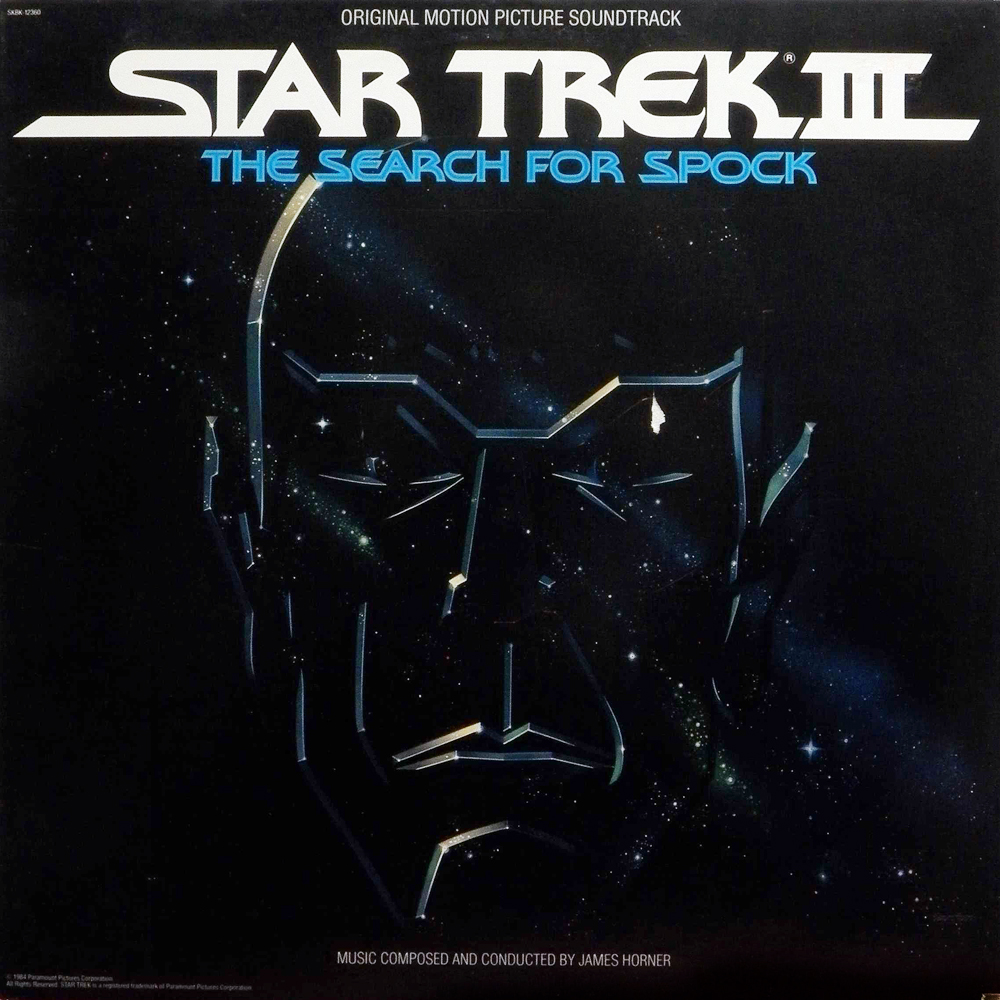
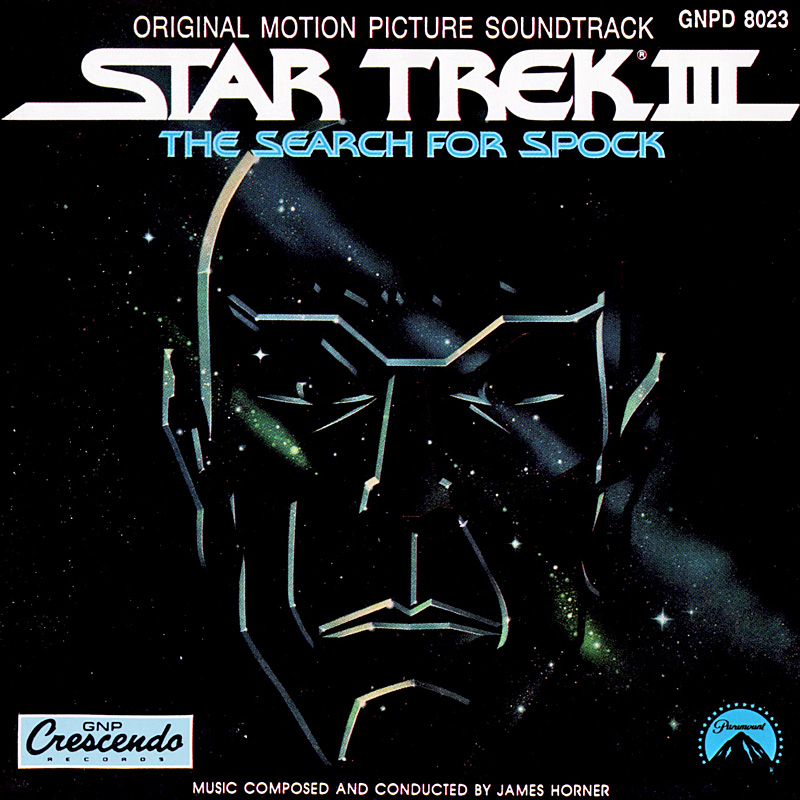

In hours-long discussions with Bennett and Nimoy, Horner agreed with the director that the “romantic and more sensitive” cues were more important than the “bombastic” ones. Horner had written Spock’s theme to give the character more dimension: “By putting a theme over Spock, it warms him and he becomes three-dimensional rather than a collection of schticks,” he said. The theme was expanded in The Search for Spock to represent the ancient alien mysticism and culture of Spock and Vulcan.
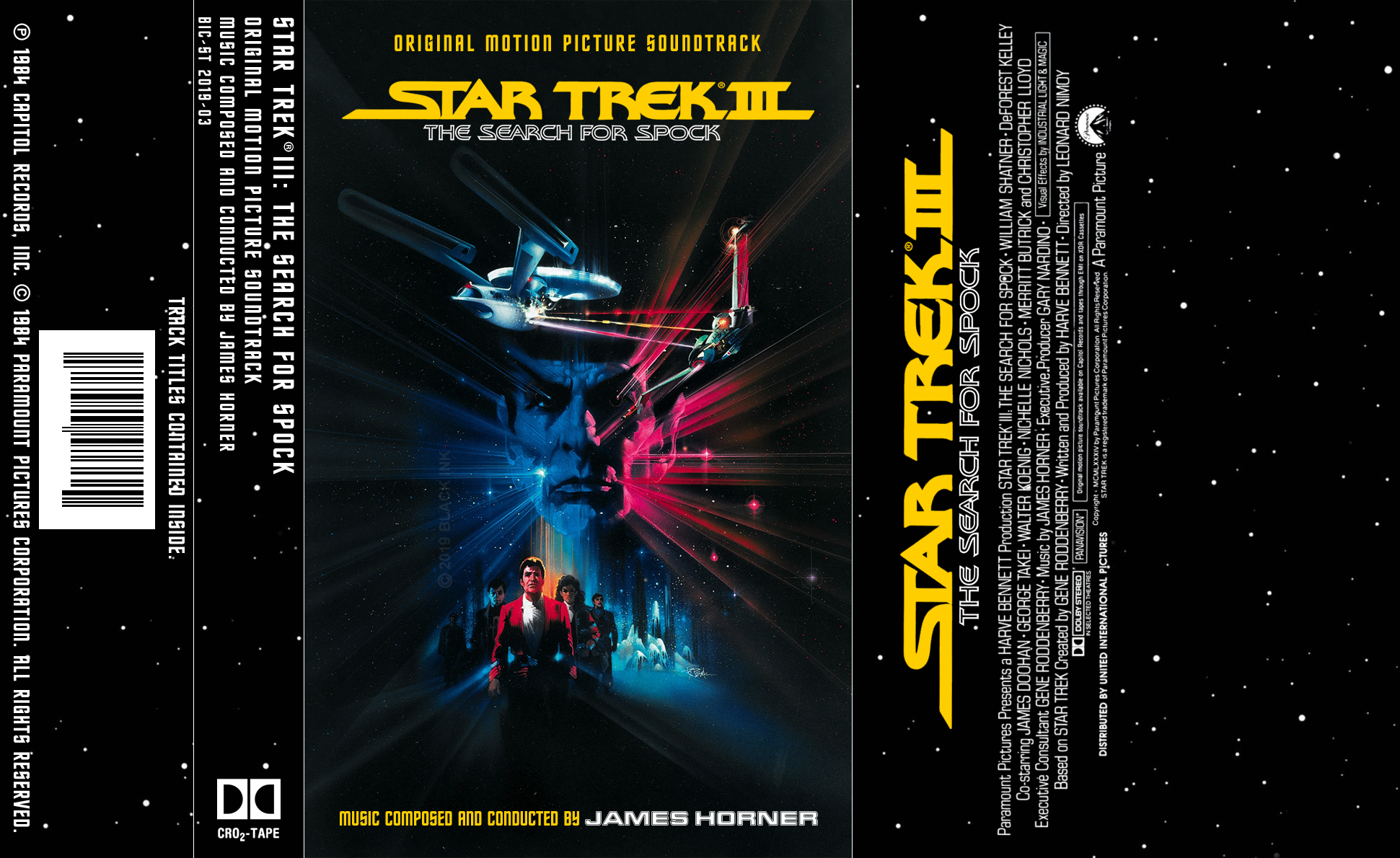
My CD and Cassette Moccups

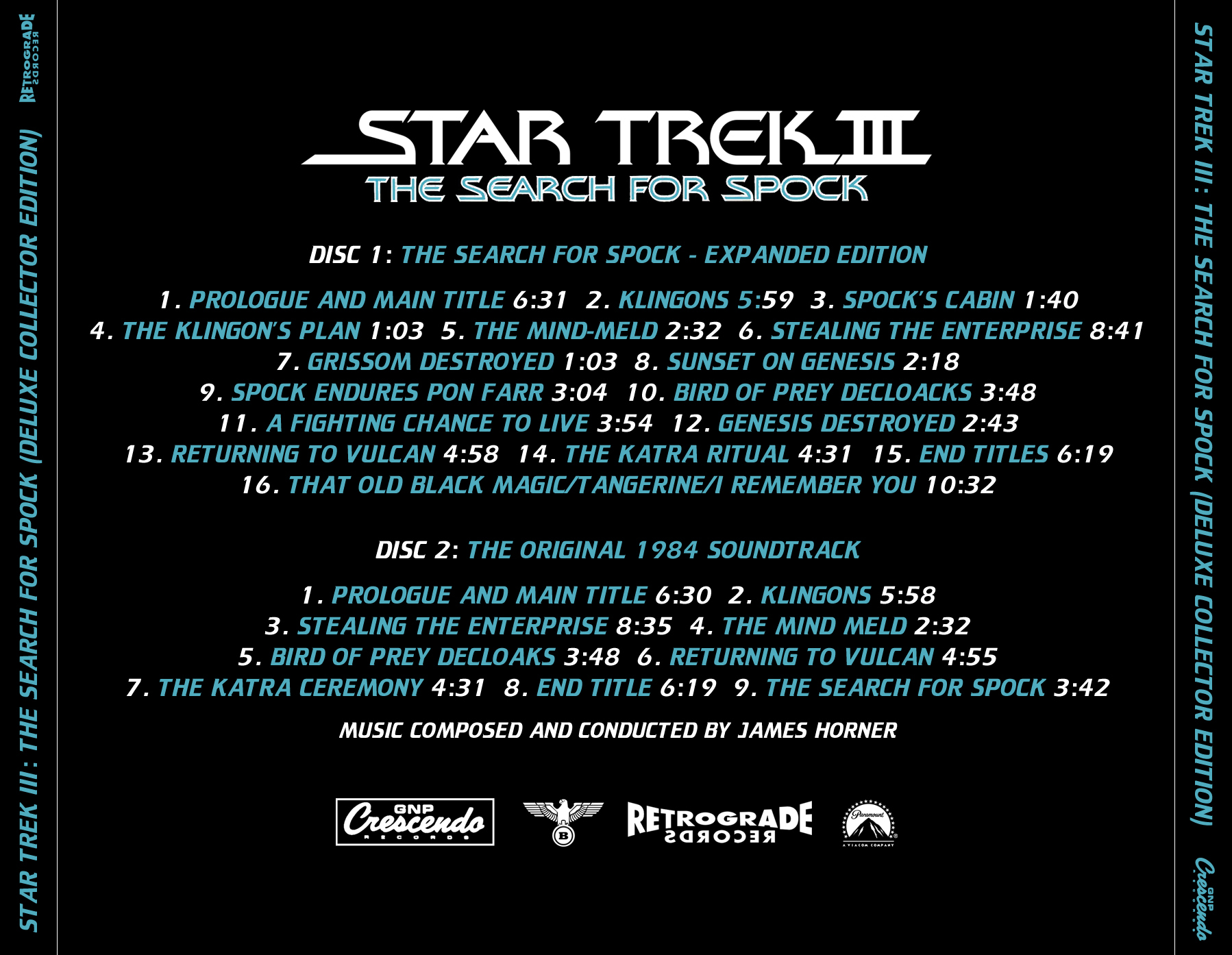
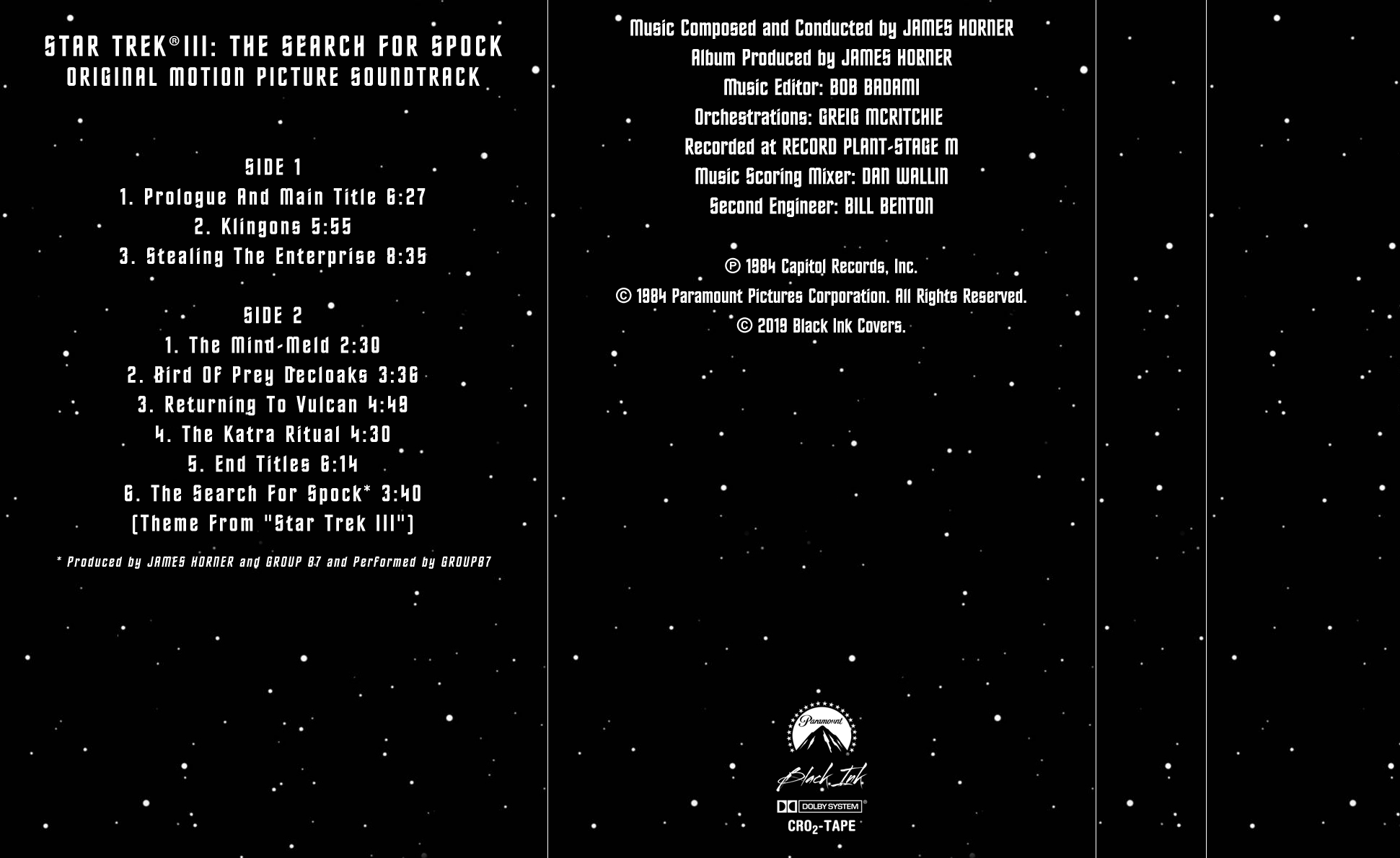
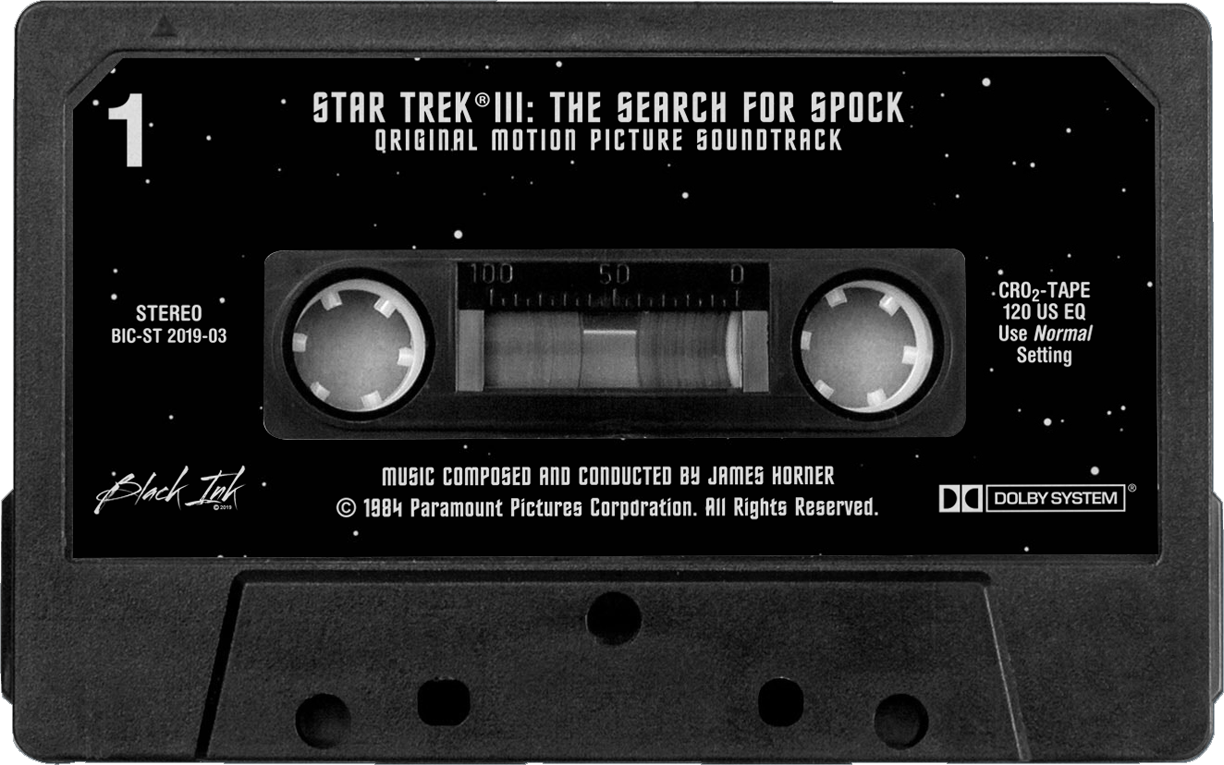
Among the new cues Horner wrote was a “percussive and atonal” theme for the Klingons which is represented heavily in the film. Jeff Bond described the cue as a compromise between music from Horner’s earlier film Wolfen, Khan’s motif from The Wrath of Khan, and Jerry Goldsmith’s Klingon music from The Motion Picture. Horner also adapted music from Sergei Prokofiev’s Romeo and Juliet for part of the Enterprise theft sequence and its destruction, while the scoring to Spock’s resurrection on Vulcan was lifted from Horner’s Brainstorm ending.

 Black Ink Covers
You must be logged in to post a comment.